Performance Skills Bootcamp
Performance Skills Bootcamp
This is a hands-on performance lab where you'll be on your feet, working, adjusting, and refining in real time. We start with the exemplar case — a truck-versus-motorcycle wrongful-death case — to develop the skills. Once we have the skills, we apply them to your individual case. By working from the same material, you'll be able to clearly see how different performance choices impact the jury's perception — and the skills are transferable to every case.
Five days on your feet.
Training is structured around repetition and real-time coaching, with the use of video review — moving from a shared exemplar case into your own material.
Cross-Examination: Master the Fundamentals
- Leading questions only
- One new fact per question
- Looping
- Dropping the taglines — "right," "correct," "true," "isn't it true"
- Dropping all filler words — "and," "so," "okay"
- Cross-examining in the present tense
- Effectively using a flip chart — writing legibly, one topic per page
- Controlling breath, voice, and pacing — train to slow down, breathe, and pause intentionally
- Emotional state control — only two states dominate cross: curiosity when laying foundations, disappointment when impeaching or showing bias
- Bringing the jury into the cross
Opening Statement Performance
Deliver an opening and receive direct coaching on eye contact, voice control, hand movement, emotional state control, and creating space — presenting in a way that causes the jury to experience, not just hear, your client's story.
Voir Dire Practice
Develop the ability to have real conversations with jurors. You'll practice addressing bias, uncovering perspectives, and building trust from the first interaction.
Direct Examination & Witness Preparation
Learn how to train your witness to transport the jury, so the jury not only hears and understands what happened — they experience it.
Apply It to Your Own Case
After you master the fundamental skills, you will apply them to the opening statement, cross-examination, voir dire, and witness prep for your own case.
The nine micro-skills.
Eye Contact & Micro-Connecting
Learn how to make eye contact with 12 jurors. Learn how to micro-connect with 12 jurors in less than 3 seconds.
Voice Control & Cadence
Use pacing, pausing, and tone to control the rhythm of your presentation. Practice slowing down and controlling your breath.
Facial Expression & Emotional Congruence
Train to master your emotional state and be aware of what your face and body are communicating to the jury at all times.
Hand Gesticulation & Movement
Learn to use your hands to facilitate your connection with the jury.
Glance Control
Direct attention with precision. Learn how to use your gaze to signal importance, bring focus to key testimony, and draw jurors into critical moments.
Creating Space
Creating space is the ability to create a three-dimensional illusion — a hologram — of the story you're telling, so the jury doesn't just hear the story, they witness and experience it.
Word Selection
Eliminate all unnecessary words and phrases.
Economy of Words
Keep your language tight and intentional. Short, controlled phrasing strengthens your points and limits opportunities for confusion or misinterpretation.
Reflective Listening
Make listening visible. Show the jury that you hear them and understand where they're coming from.
In the room with you.
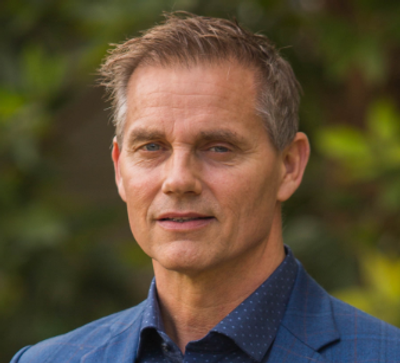
I grew up in Birmingham, MI. I am the youngest of eight children and attended an all-boys catholic school my whole life until I went to college at the University of Michigan. I went to night school at Detroit College of Law. My dad, my uncle, two of my brothers, and sister were lawyers. My first job was cutting lawns at age 10. I started working for my brother as a house painter at age 12. When I was 16 I started my own painting business and continued throughout high school, college, and law school, and a few years after until I was 32. I practiced law for eighteen years in Michigan until ten years ago when my roommate from the Trial Lawyers College, Nick Rowley, encouraged me to move to LA to become a PI lawyer. The California Bar took me four tries. I moved to Las Vegas this past March. I have recently taken up pickle ball, skiing and golf. I also think I'm competitive at connect four, backgammon, chess, and ping pong.
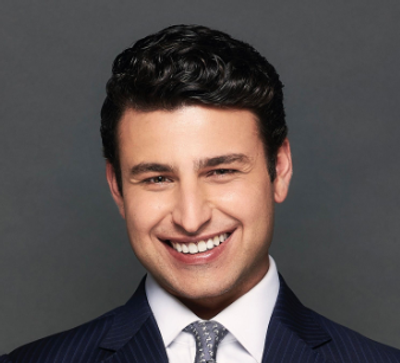
I was born and raised in the San Francisco Bay Area to an Armenian mother and Greek father. I attended Berkeley High School, University of California, Riverside and Golden Gate University, School of Law. While in law school, I worked at my father's chocolate shop in Palo Alto giving tasting tours and teaching customers about the history and production of the world's finest cacao. After passing the CA bar in 2019, I moved to Los Angeles to practice personal injury law. Shortly after founding my own firm in 2021, I cofounded Lawzilla.co, a case referral marketplace where attorneys can find cases to grow their practices and refer cases they would otherwise drop. In addition to running my startup, I work closely with Trial Lawyers University, coaching attorneys on trial presentation skills. I speak fluent Greek and enjoy traveling, reading, spending time with family and playing piano.
More 2026 bootcamps.
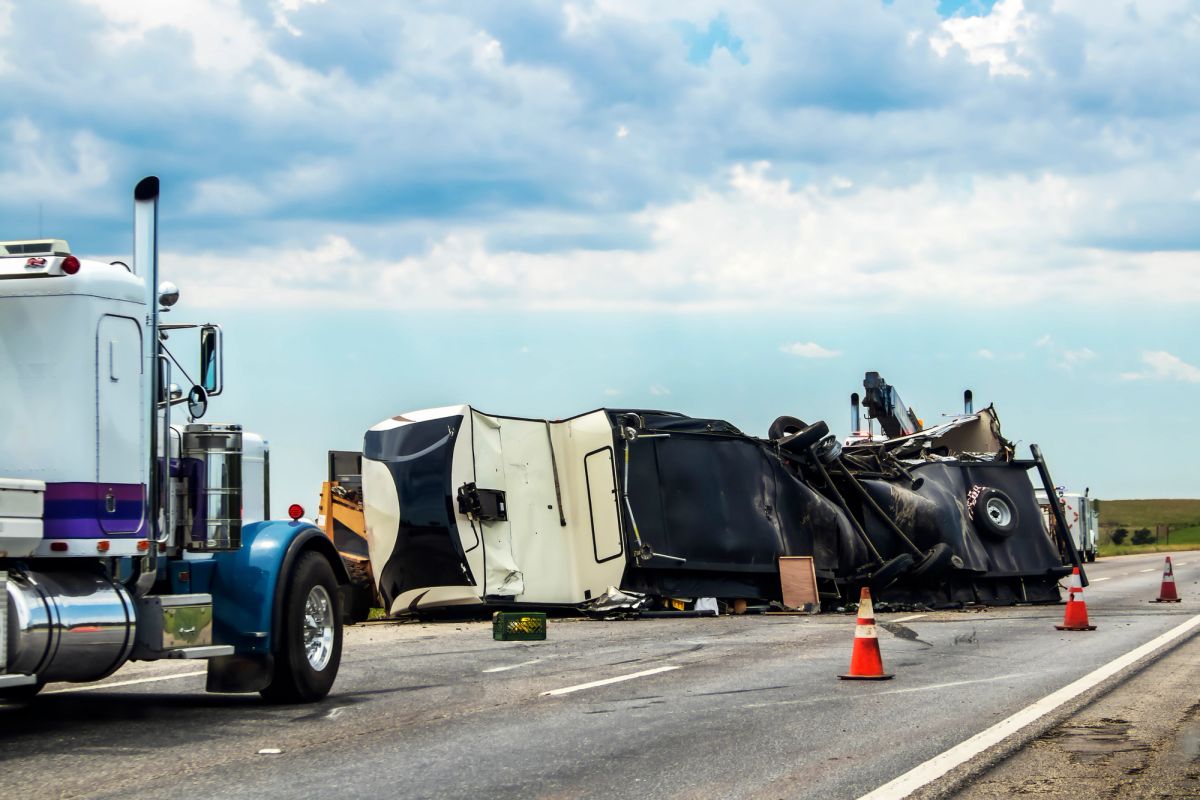 Oct 6–10
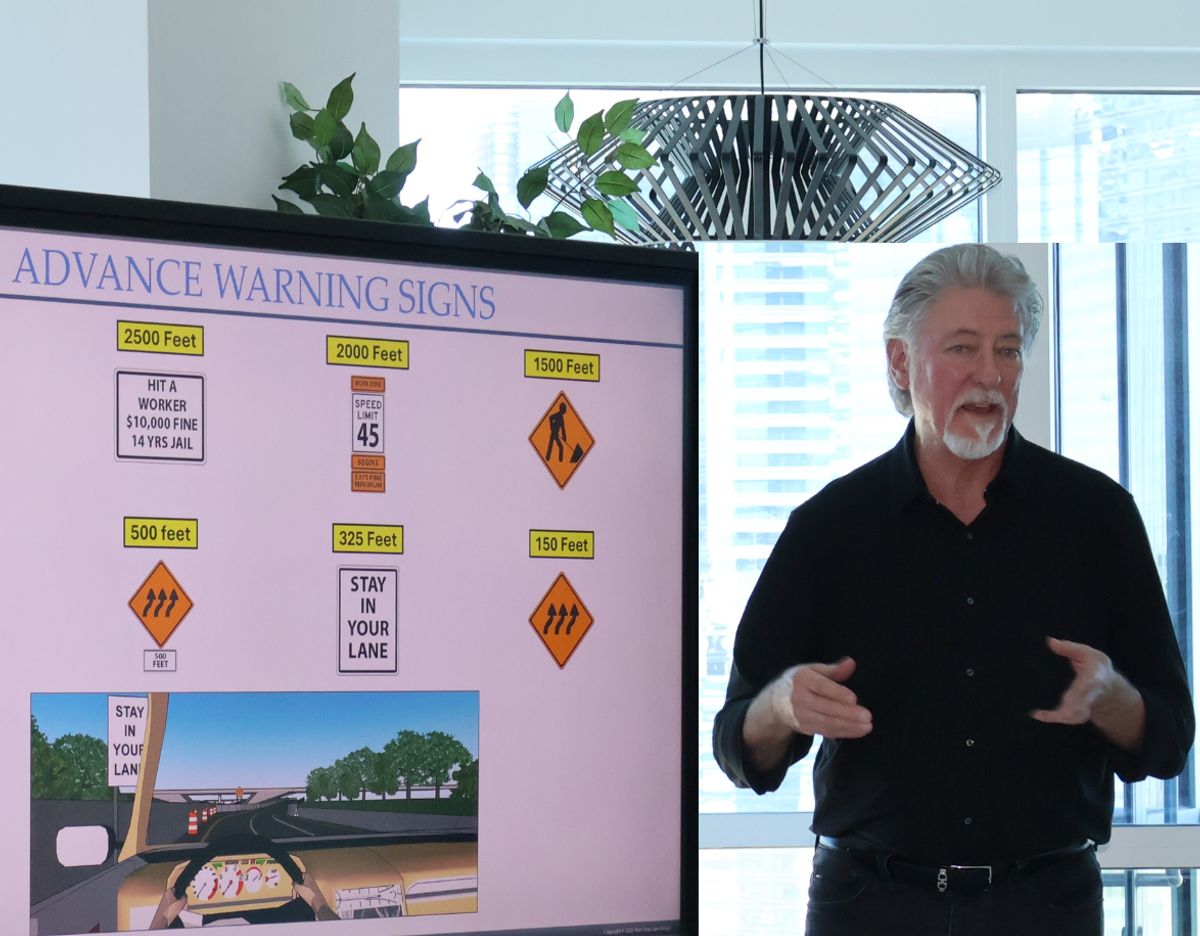
Getting Big Rig Justice Trucking Bootcamp
 Oct 21–25
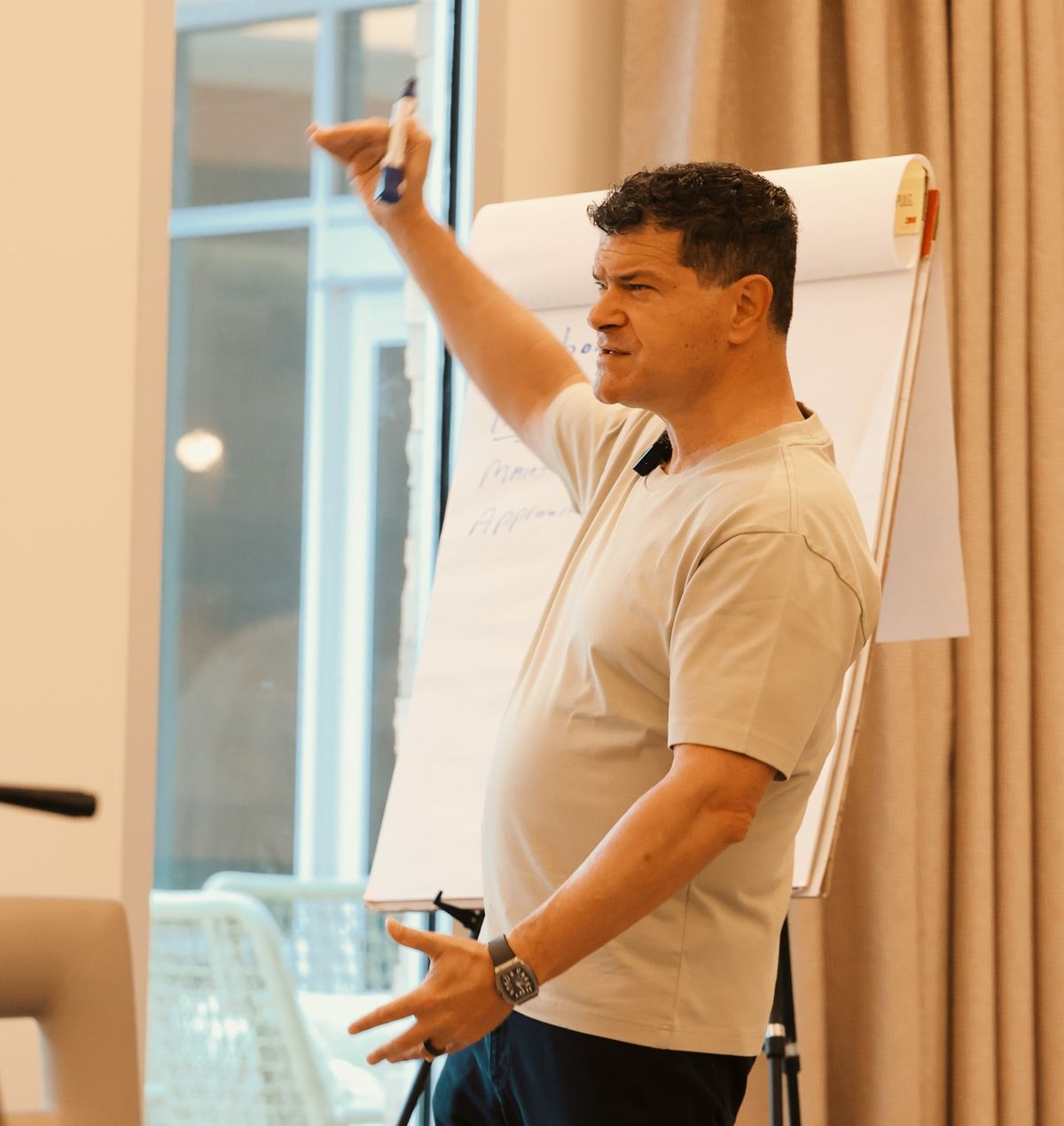
Case Story Bootcamp
 Dec 8–12
Joe Fried & Joe Camerlengo's Trucking Bootcamp
 Dec 13–20
TLU Performance Skills | Cabo Edition
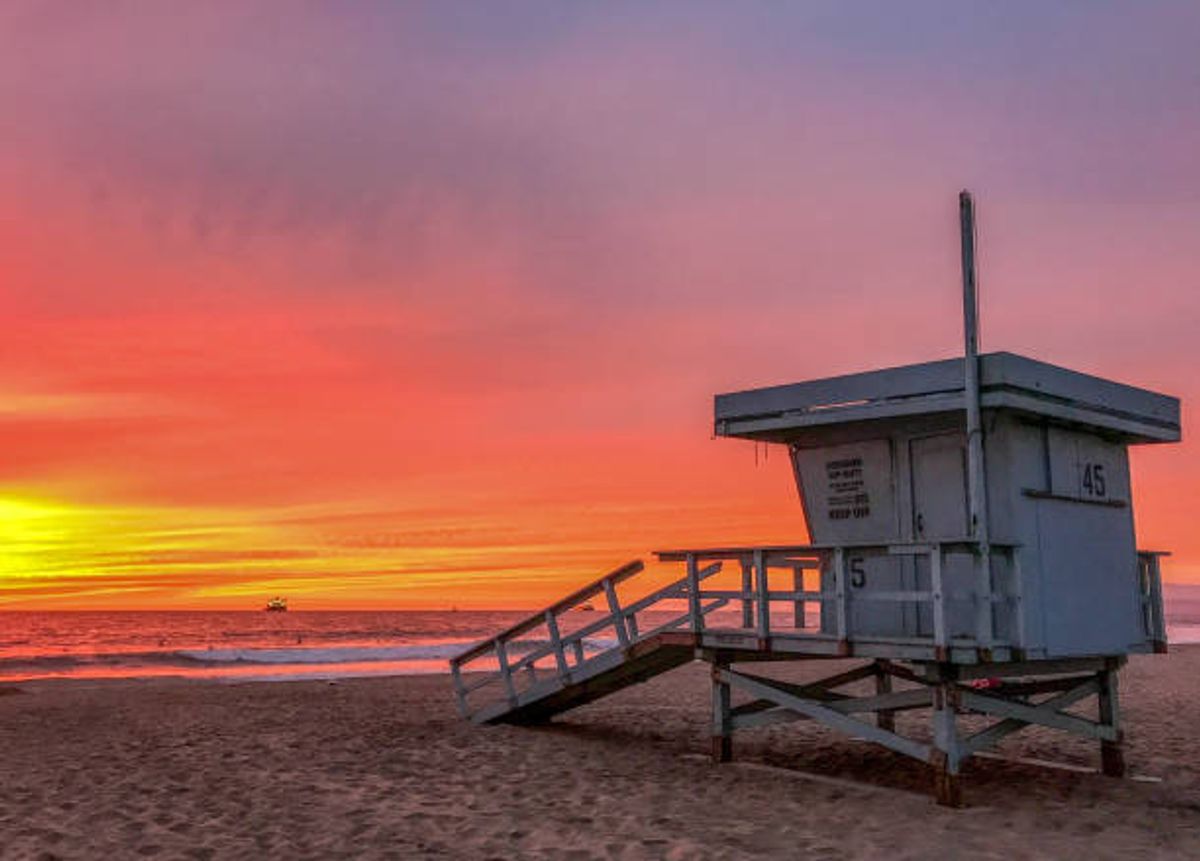
Sep 8–12 · Hermosa Beach.
5 days of intensive, small-group training — seats are limited and fill fast.