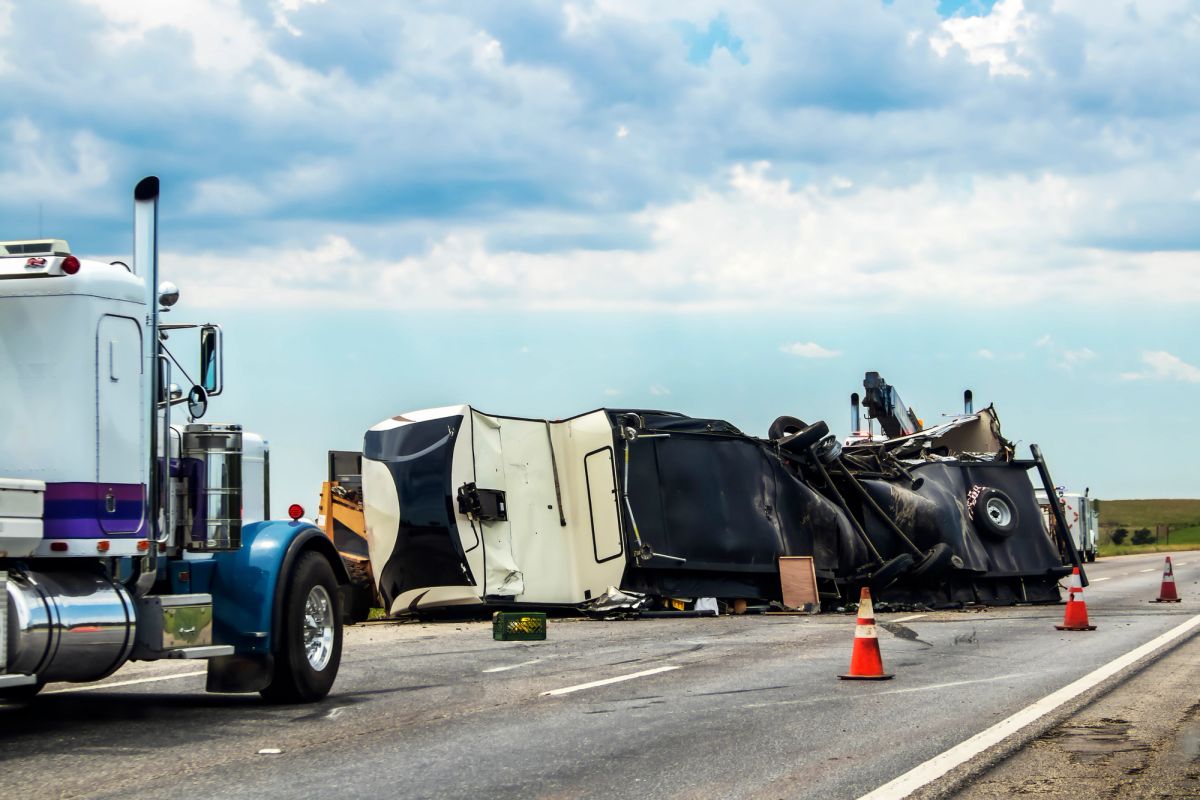
Getting Big Rig Justice Trucking Bootcamp
Getting Big Rig Justice Trucking Bootcamp
In this 5-day intensive, you'll work directly with Michael Cowen on building and structuring your trucking case — then transition to Dan Ambrose to refine how that case is delivered in front of a jury. You won't just learn what makes a strong trucking case. You'll learn how to present it in a compelling way. Cowen will help you develop the foundation: identifying the right theory, structuring liability, and anchoring your case in authoritative standards that give it credibility and weight. Then, you'll shift into performance training, where Dan will help you translate that structure into presence, clarity, and connection in the courtroom. This is a full-stack training: from how your case is built… to how it is experienced.
Build with Cowen. Deliver with Dan.
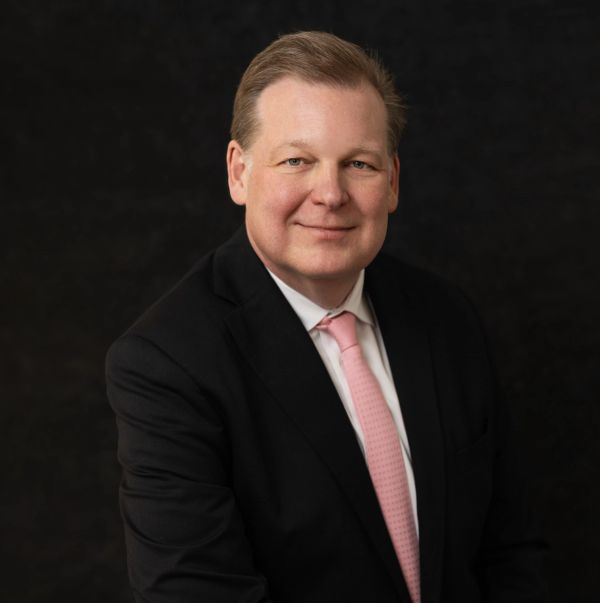
What you'll learn from Michael Cowen
Winning trucking cases requires more than proving a crash. It requires building a case that is grounded in real-world standards and focused on the decisions that caused it.
Anchors & Authority-Based Case Building
Use regulations, safety standards, and industry materials to establish liability in a way that doesn't rely on opinion — but on authority. Anchors give your case credibility before you ever step into court.
Layering for Maximum Persuasion
Stack multiple sources — regulations, manuals, company policies — so your theory becomes difficult to dispute and easy for jurors to accept.
Focusing on the Company, Not Just the Driver
Shift your case from an isolated mistake to a system failure. Identify and prove corporate negligence, policies, and breakdowns that led to the crash.
Case Theory & Story Structure
Develop a clear, cohesive theory that organizes your facts into a compelling narrative the jury can follow.
Sequencing Your Case
Order your evidence, witnesses, and examinations so your case builds logically and persuasively from start to finish.
Handling Legal Constraints Strategically
Work within limitations — like bifurcation strategies — while still keeping the focus on the company's conduct and responsibility.
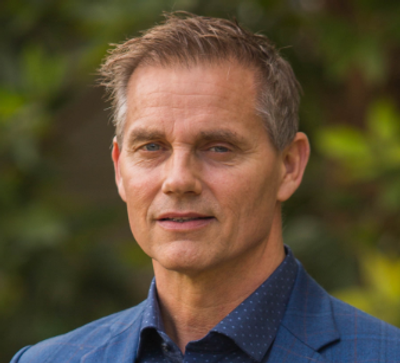
What you'll learn from Dan Ambrose
Once your case is built, the question becomes: can the jury feel it? This portion of the training focuses on how you deliver your case — so the structure you built actually lands.
Presence That Builds Credibility
Develop the physical and vocal control that makes jurors trust you before you even make your point.
Turning Structure into Story
Take your case theory and communicate it in a way that feels clear, human, and easy to follow.
Eye Contact & Micro-Connecting
Engage jurors individually while maintaining control of the room. Build trust one person at a time.
Voice Control & Cadence
Use pacing, tone, and silence to emphasize key moments and give your arguments weight.
Movement & Spatial Control
Use your positioning and movement to organize information, highlight contrast, and guide juror attention.
Word Selection & Clarity
Translate complex concepts into simple, relatable language using “we,” “us,” and imagery that can be felt — not just understood.
Economy & Precision
Strip away excess so your message is clean, focused, and impactful.
Build → Perform → Refine → Repeat.
This is a split-format, hands-on training where you actively build and perform your case. You'll rotate between strategy rooms with Michael Cowen and performance rooms with Dan Ambrose, allowing you to immediately apply what you learn from one into the other.
Case Workshop with Michael Cowen
Work directly on your trucking case. Refine your theory, identify your anchors, structure your liability arguments, and sequence your case for maximum clarity and impact.
Performance Training with Dan Ambrose
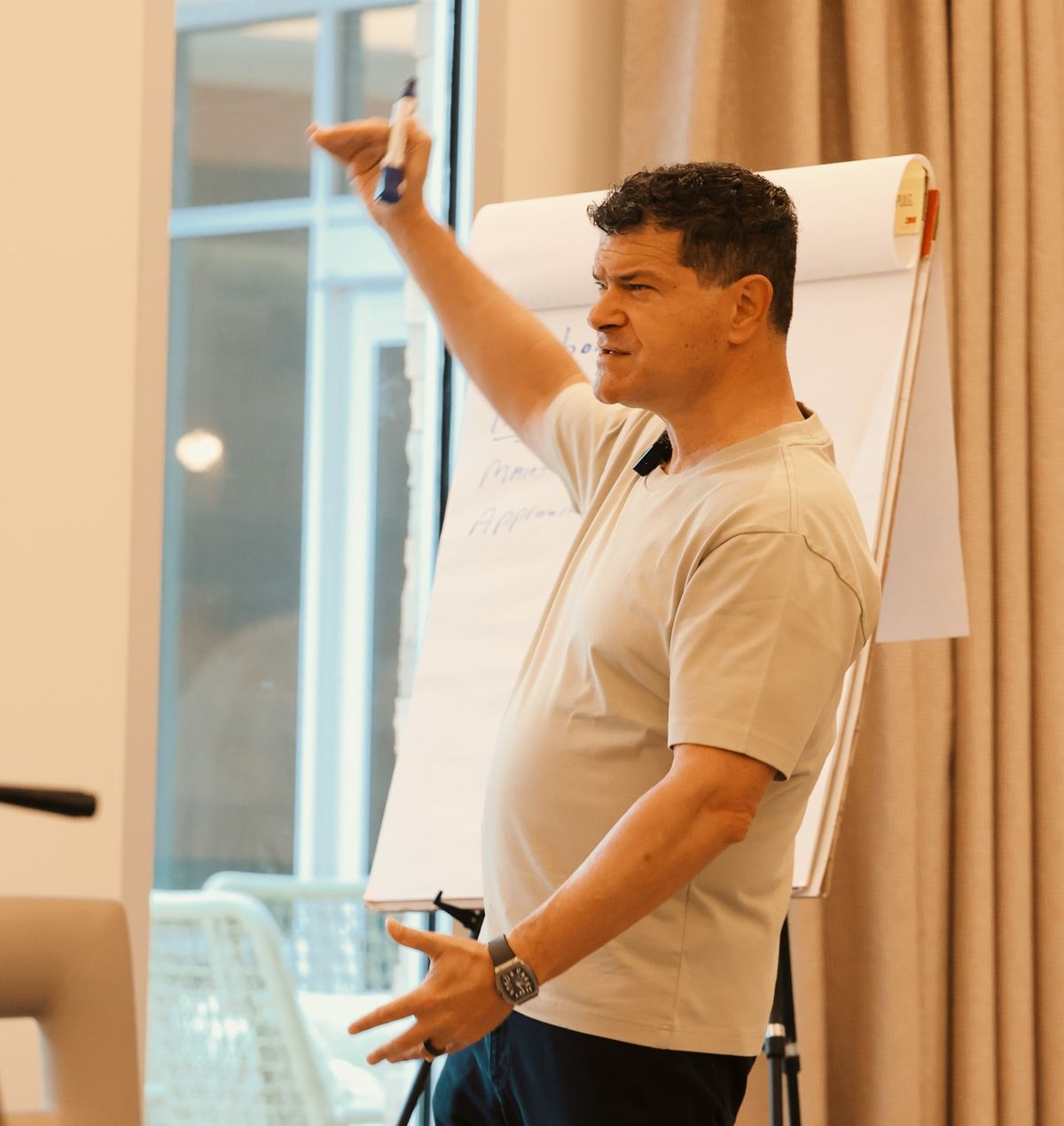
Take the exact work you just built and bring it to life. You'll perform openings, cross segments, and key moments while receiving real-time coaching on delivery, presence, and connection.
Integration & Refinement
Move back and forth between strategy and performance. Adjust your case structure based on how it plays — and refine your delivery based on what the case demands.
In the room with you.
I grew up in Birmingham, MI. I am the youngest of eight children and attended an all-boys catholic school my whole life until I went to college at the University of Michigan. I went to night school at Detroit College of Law. My dad, my uncle, two of my brothers, and sister were lawyers. My first job was cutting lawns at age 10. I started working for my brother as a house painter at age 12. When I was 16 I started my own painting business and continued throughout high school, college, and law school, and a few years after until I was 32. I practiced law for eighteen years in Michigan until ten years ago when my roommate from the Trial Lawyers College, Nick Rowley, encouraged me to move to LA to become a PI lawyer. The California Bar took me four tries. I moved to Las Vegas this past March. I have recently taken up pickle ball, skiing and golf. I also think I'm competitive at connect four, backgammon, chess, and ping pong.
As a graduate of Texas A&M University in 1991, he is a proud Aggie. Michael attended law school at the University of Texas at Austin School of Law where he graduated in 1995 with high honors and earned the top score on the Texas Bar Exam. After graduating, Michael clerked for Judge Reynaldo G. Garza on the Fifth Circuit, then joined Cadwalader, Wickersham & Taft in New York — the oldest law firm in the nation. After returning to Texas, Michael spent his legal career handling a wide variety of injury cases. As a Board Certified attorney in personal injury trial law, Michael has spoken at numerous CLE courses on 18-wheeler and commercial vehicle cases involving death and catastrophic injury, pre-trial motions, and the preservation of evidence. A seasoned trial lawyer with over 100 trials, Michael is devoted to passing on his years of experience to his peers — and welcomes the opportunity to work on cases with fellow attorneys, especially in 18-wheeler and commercial vehicle cases involving death and catastrophic injury.
More 2026 bootcamps.
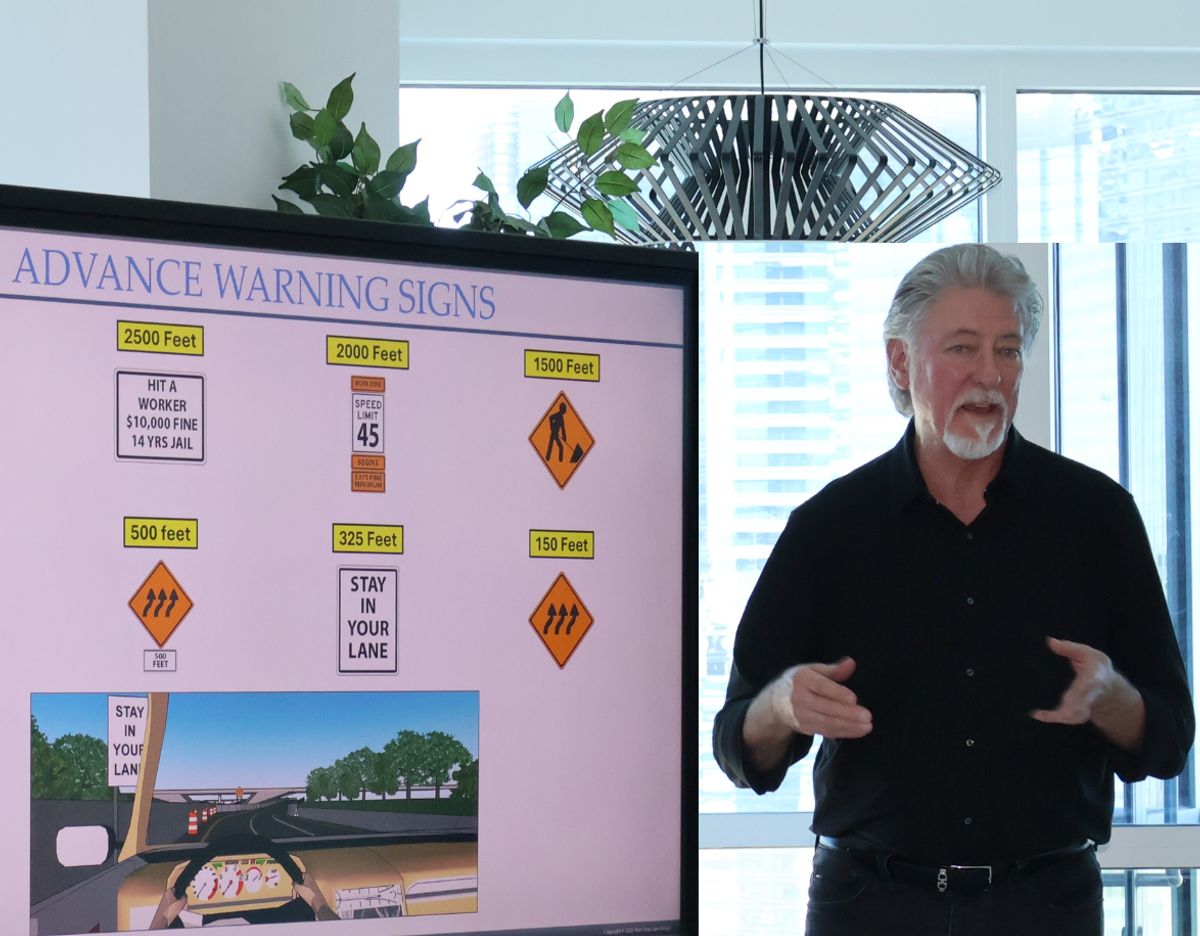

Oct 6–10 · Hermosa Beach.
5 days of intensive, small-group training — seats are limited and fill fast.